
Picture this. Someone you care about is trying to quit opioids, but the cravings hit hard by day three. Medication-assisted treatment works with therapy and care by stabilizing the body first so real emotional and behavioral healing can finally begin.
Recovery is rarely a straight path, and stopping substance use without support can feel overwhelming. In this blog, we will break down how medication, therapy, and ongoing care come together to create a structured, supportive recovery plan. You will see how each piece plays a role in long-term success and why combining them leads to better outcomes.
Building Stability Through Medication
How Medication Supports Early Recovery
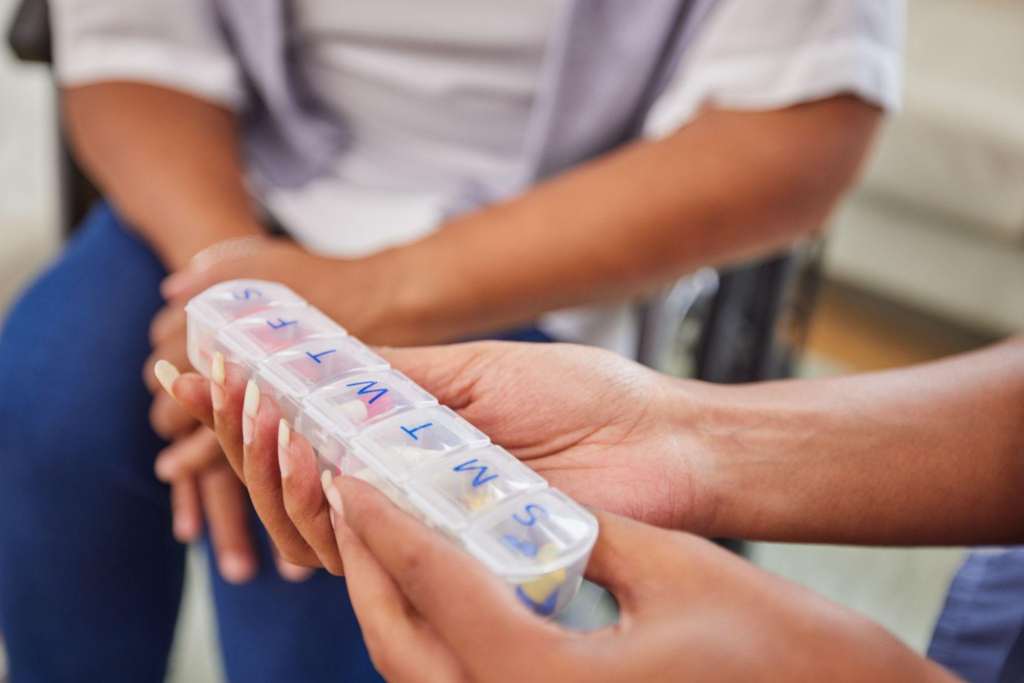
When someone enters treatment, the body is often still dependent on substances. Withdrawal symptoms and cravings can quickly derail progress. Medication steps in to manage these challenges.
We use FDA-approved medications to:
- Reduce withdrawal symptoms
- Lower cravings
- Block the effects of certain substances
This allows individuals to feel physically stable. Once the body is calmer, it becomes easier to focus on therapy and personal growth. Without this support, many people struggle to stay engaged in treatment long enough to see results.
Personalized Medication Plans
No two recovery journeys are the same. We carefully assess each person’s history, substance use patterns, and health needs before selecting a medication plan. Adjustments are made over time to ensure the best response.
This personalized approach is a key part of medication assisted treatment in Lynchburg, where treatment plans are tailored to support both safety and long-term recovery.
The Role of Therapy in Lasting Change
Addressing the Root Causes
Medication helps manage the physical side of addiction, but therapy addresses the deeper issues. Many individuals face underlying challenges, such as trauma, stress, or mental health conditions.
Through therapy, we help clients:
- Understand triggers
- Build coping strategies
- Improve emotional regulation
This is where real transformation begins. Therapy creates the space to process experiences and develop healthier responses to life’s challenges.
Types of Therapy We Use
We use a mix of evidence-based therapies to meet different needs. These may include:
- Cognitive behavioral therapy to reshape negative thought patterns
- Group therapy to build connection and support
- Family therapy to repair relationships and strengthen support systems
Each method works alongside medication to reinforce progress and prevent relapse.
Coordinated Care That Keeps You Moving Forward
Continuous Monitoring and Support
Recovery does not stop after the first few weeks. Ongoing care ensures that progress continues and setbacks are addressed quickly.
We regularly monitor:
- Medication effectiveness
- Emotional well-being
- Behavioral progress
This allows us to make timely adjustments and keep each person on track.
A Team-Based Approach
Successful recovery involves more than one professional. Our care model brings together medical providers, therapists, and support staff who collaborate closely.
This team-based approach ensures that every aspect of a person’s recovery is addressed. It also fosters consistency, helping individuals feel supported and understood throughout their journey.
For those seeking an addiction treatment center in Lynchburg, this level of coordinated care makes a meaningful difference in outcomes.
Why Combining Medication and Therapy Works Better
Treating the Whole Person
Addiction affects both the body and the mind. Treating only one side often leads to relapse. When medication and therapy are combined, both areas are addressed at the same time.
Medication reduces the physical barriers to recovery, while therapy builds the skills needed to maintain it.
Long-Term Benefits
When both approaches are used together, individuals are more likely to:
- Stay in treatment longer
- Reduce the risk of relapse
- Build healthier routines
- Improve overall quality of life
This is why medication assisted treatment in Lynchburg has become a trusted option for individuals seeking lasting recovery.
Start Building a Stronger Recovery Path Today
Medication-assisted treatment is most effective when it is part of a complete care plan that includes therapy and ongoing support. By stabilizing the body and strengthening the mind, this approach creates a solid foundation for recovery.
At Sobrius, we combine medical expertise with compassionate care to guide each person through their journey. If you are ready to take the next step, our team is here to help you move forward with confidence and support.