

Watching someone struggle with addiction can leave families feeling frightened, uncertain, and overwhelmed. Loved ones often have urgent questions: Does treatment need to happen right away? Which level of care is appropriate? Will insurance help pay for services? What if the person is not ready to call?
Many families search for addiction treatment Lynchburg VA options on behalf of someone who is not yet ready, or able, to search for themselves. Learning about available programs can help families take a thoughtful next step without judgment, pressure, or unrealistic expectations.
Sobrius provides addiction treatment in Lynchburg and throughout Virginia, including residential treatment, partial hospitalization, gender-specific programs, evidence-based therapy, medication-assisted treatment when clinically appropriate, and continuing recovery support. The right plan depends on a person’s substance use, medical needs, mental health, safety, and home environment.
> Addiction treatment is not a single service or one-size-fits-all decision. A qualified clinical team can assess the person’s needs and recommend the safest, most appropriate level of care.
When Should a Lynchburg Family Consider Treatment?
Addiction can affect health, relationships, work, school, finances, and personal safety. Treatment may be appropriate when substance use continues despite harmful consequences or when a person has difficulty stopping without professional support.
Warning signs may include:
- Using alcohol or drugs more often or in larger amounts
- Experiencing cravings or withdrawal symptoms
- Missing work, school, family obligations, or appointments
- Hiding substance use or becoming increasingly isolated
- Continuing to use despite medical, legal, financial, or relationship problems
- Experiencing an overdose or other substance-related health emergency
- Returning to substance use after previous attempts to stop
- Relying on substances to manage stress, trauma, anxiety, depression, or sleep
Families do not need to wait for every warning sign to appear. A confidential assessment can help determine whether residential care, PHP, outpatient services, MAT, or another option is most appropriate.
Choosing Addiction Treatment Lynchburg VA Families Can Trust
Families comparing treatment centers should look beyond location alone. Local access is important, but quality care should also include a qualified clinical team, individualized planning, appropriate medical support, and a clear transition plan after treatment.
Families who want to explore local programming in more detail can learn more about Sobrius’s addiction treatment center in Lynchburg, VA before comparing levels of care, insurance options, and next steps.
Sobrius’s Lynchburg location is at 20715 Timberlake Rd, Lynchburg, VA. The organization also has locations in Bassett and Galax, Virginia, in a serene Blue Ridge Mountains setting designed to support privacy, reflection, and connection.
Sobrius is a Virginia Medicaid provider at the ASAM 3.5 Residential and ASAM 2.5 PHP levels of care. Its approach combines clinical treatment with holistic services that address physical, emotional, and spiritual well-being.
Levels of Care Available in and Around Lynchburg
The appropriate level of care is based on a clinical assessment rather than a person’s diagnosis alone. Some people need a structured, substance-free environment, while others can safely participate in treatment while living at home or in recovery housing.
| Level of care | What it involves | Who it may suit |
|---|---|---|
| Residential treatment | Clients live in a structured treatment setting and participate in therapy, recovery education, peer support, and daily programming. | People who need consistent structure, have a serious substance use disorder, face relapse risks, or lack a stable recovery environment. |
| Partial hospitalization program (PHP) | A highly structured outpatient program with several hours of treatment on scheduled days while the client lives outside the program. | People who need substantial clinical support but do not require 24-hour residential supervision. |
| Intensive outpatient program (IOP) | Multiple therapy sessions each week, often combined with recovery planning, education, and community support. | People who need more support than standard outpatient care or are stepping down from residential or PHP treatment. |
| Outpatient treatment | Scheduled counseling, medication management, recovery planning, and other services while the person maintains home, work, or school responsibilities. | People who are medically and psychiatrically stable and can benefit from treatment with less intensive structure. |
| Medication-assisted treatment (MAT) | FDA-approved medication, when clinically appropriate, combined with counseling and recovery support. | People with opioid or alcohol use disorders who may benefit from medication to reduce cravings, withdrawal symptoms, or overdose risk. |
Sobrius offers residential treatment and PHP, along with medication-assisted treatment when clinically appropriate. If a person needs medically supervised detoxification before entering treatment, the admissions team can help determine the next step and coordinate with appropriate services. Sobrius’s residential program does not provide detox, so withdrawal safety should be assessed before admission.
Learn more about Sobrius’s residential treatment program and partial hospitalization program.
What Treatment May Include
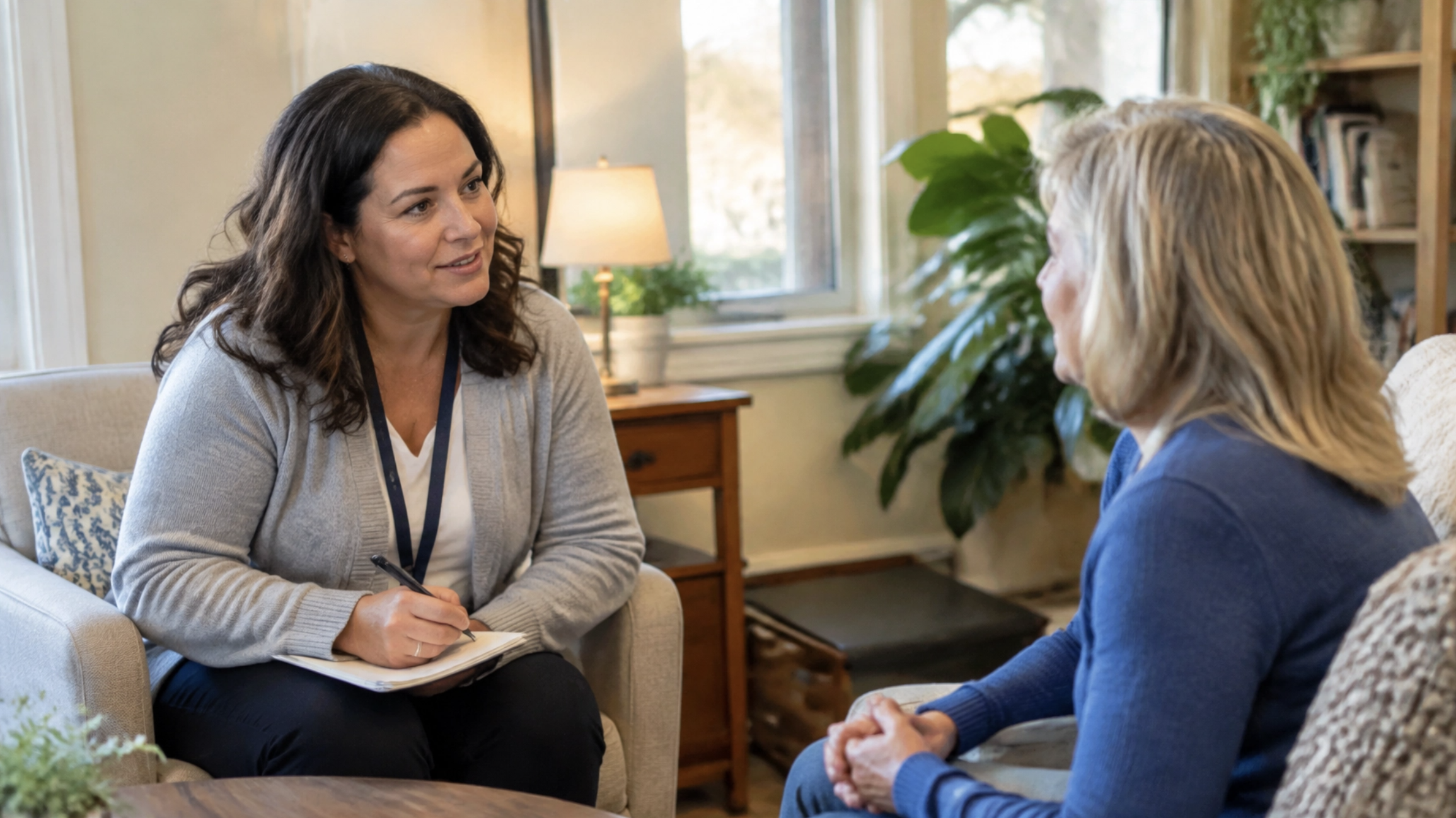
Effective addiction treatment addresses more than substance use alone. Sobrius combines evidence-based clinical services with holistic therapy to help clients develop practical skills for recovery and improve overall well-being.
Treatment may include:
- Cognitive-behavioral therapy (CBT) to identify thought patterns and behaviors that contribute to substance use
- Group therapy to build connection, accountability, and peer support
- Relapse prevention therapy to identify triggers and create responses to cravings and high-risk situations
- Medication-assisted treatment when indicated by a qualified medical professional
- Holistic therapy that supports the mind, body, and spirit
- Individual counseling, recovery education, and life-skills development
- Family involvement or education when clinically appropriate and welcomed by the client
Sobrius also offers separate men’s and women’s rehab programs. Gender-specific treatment can give some clients greater comfort when discussing trauma, relationships, family roles, or other personal concerns.
Insurance, Medicaid, and Treatment Costs
Sobrius accepts Virginia Medicaid and some major insurance plans, including Anthem Blue Cross Blue Shield. The organization also offers private-pay options. Insurance benefits are verified before admission, but verification does not guarantee that every service or stay will be covered.
Virginia Medicaid’s Addiction and Recovery Treatment Services (ARTS) benefit covers medically necessary substance use treatment for eligible members. Coverage can depend on the member’s Medicaid plan, clinical eligibility, level of care, authorization requirements, and other benefit conditions.
Before admission, families should ask:
- Is the treatment center in-network with the person’s plan?
- Is the program enrolled as a Virginia Medicaid ARTS provider?
- Which ASAM levels of care are covered?
- Is prior authorization required?
- What deductibles, copays, coinsurance, or private-pay costs may apply?
- How long is the initial authorization, and how are continued services reviewed?
A treatment center’s admissions team can help explain the verification process. Families should also call the insurance plan directly so they understand their benefits before making financial decisions.
Questions to Ask Any Lynchburg Treatment Center
A brief phone conversation can help families compare programs. Consider asking:
- Is the program licensed and accredited?
- What credentials and experience do the clinical staff have?
- How is the recommended level of care determined?
- Is medical support available for co-occurring mental health conditions?
- Is MAT available for opioid or alcohol use disorders when appropriate?
- How does the program address relapse risk?
- Are family education and communication included?
- What happens after residential or PHP treatment ends?
- Is there an alumni program or continuing recovery support?
- Does the center accept Virginia Medicaid, ARTS, Anthem BCBS, or private pay?
- Will the center verify benefits and explain prior authorization requirements?
Clear answers can help families distinguish between a program that offers meaningful clinical support and one that simply makes broad promises.
What Happens After Treatment?
Recovery continues after a person leaves residential or PHP care. A discharge plan may include outpatient counseling, IOP, medication management, recovery meetings, sober living, family support, and alumni services.
Families can support sustained recovery by:
- Encouraging treatment follow-through without taking over the person’s responsibilities
- Learning about addiction and relapse warning signs
- Setting clear, respectful boundaries
- Avoiding behaviors that shield the person from every consequence of substance use
- Not providing money or resources that may enable continued use
- Supporting healthy routines, appointments, and recovery-focused activities
- Seeking counseling or a family support group for themselves
Boundaries are not punishment. They help families protect their safety and well-being while allowing the person in recovery to take responsibility for their choices.

Frequently Asked Questions About Addiction Treatment in Lynchburg, VA
What levels of care are available in Lynchburg?
Lynchburg families may be able to access residential treatment, PHP, IOP, outpatient care, and MAT, depending on clinical need and provider availability. Sobrius provides ASAM 3.5 residential treatment and ASAM 2.5 PHP as a Virginia Medicaid provider, along with other recovery services.
Residential treatment offers the highest structure among these options because clients live in a treatment setting. PHP provides intensive daytime support without overnight residential care. IOP and outpatient services offer progressively more flexibility. MAT may be integrated into an appropriate treatment plan for opioid or alcohol use disorders.
Is insurance accepted?
Yes. Sobrius accepts Virginia Medicaid, including eligible ARTS-covered services, some major insurance plans such as Anthem BCBS, and private pay. Insurance benefits are verified before admission, but coverage is not guaranteed until the plan’s requirements are confirmed.
Families should ask about network status, medical necessity, prior authorization, deductibles, and the specific level of care being considered. The person’s insurance plan remains the final source for benefit determinations.
How do I start today?
Call Sobrius at 888.596.6514 to speak with the admissions team about an assessment, insurance verification, and appropriate next steps. A family member can make the first call, even if the person struggling with addiction is not ready to contact a treatment center independently.
The admissions team can discuss the person’s substance use, health concerns, treatment history, location, and immediate needs. If there is a medical emergency, suspected overdose, or dangerous withdrawal, call 911 or seek emergency medical care.
Take the Next Step With Compassionate Support
Searching for addiction treatment Lynchburg VA options is a meaningful first step, whether the search is for you or someone you love. Families do not need to have every answer before reaching out. A confidential conversation can provide information about levels of care, insurance, admissions, and available support.
To learn more, visit our addiction treatment center in Lynchburg, VA or call Sobrius at 888.596.6514. You or your loved one does not have to face addiction recovery alone.